It’s been said, certainly many times by me, that the secret behind good photography is an awful, awful lot of bad photography.
I’ve taken just a shade over two thousand photos in the last three days, the better of which many of you have seen (they’re all over on !birding@lemmy.world). Herewith, I present to you this other album, which I have entitled:
“Dang It.”
Who was shooting silhouetted birds against the sky a couple of seconds ago and forgot to reset the exposure settings? Was it me? It was me.
Birds hiding behind things. Be prepared for this to become a recurring theme.
Check out the detail on that rock. What’s that? A squirrel? I have absolutely no idea what you’re talking about.
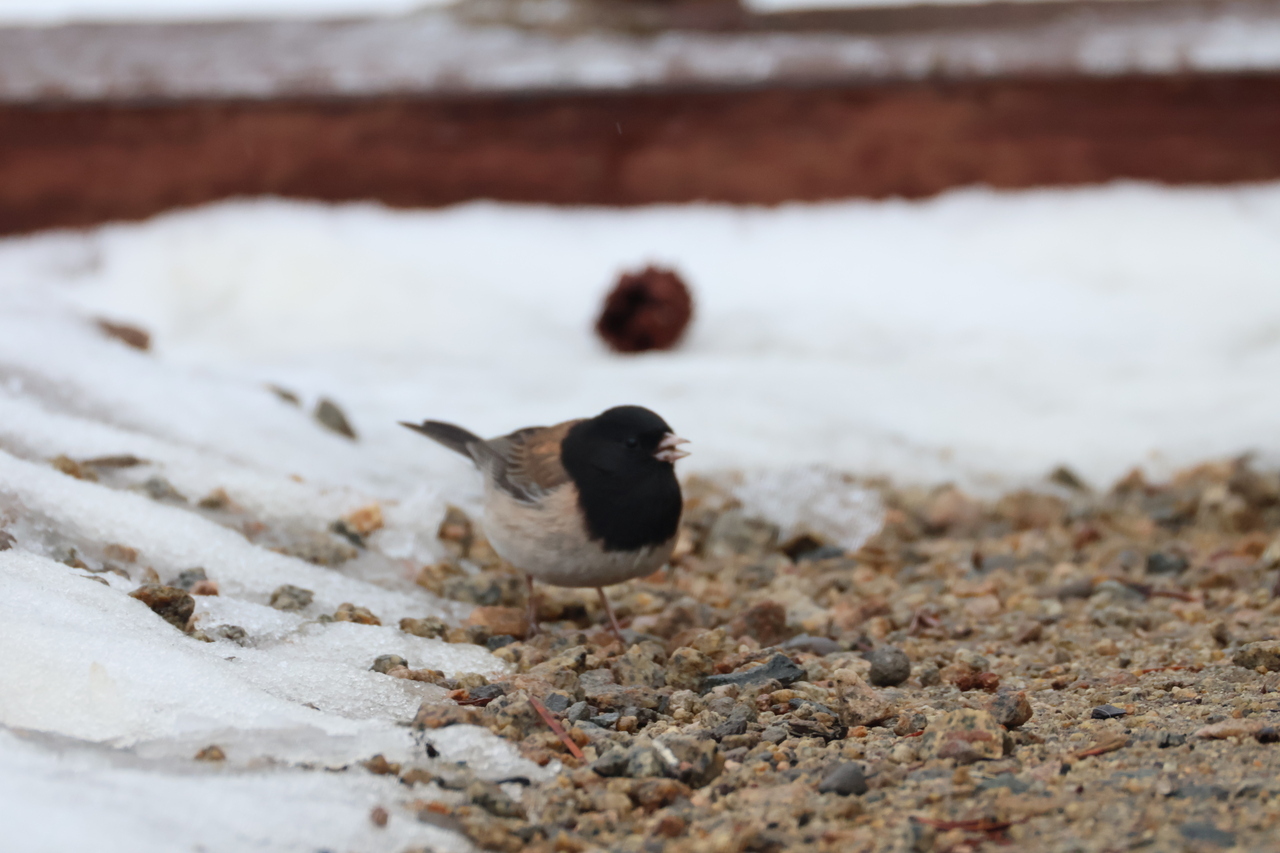
Servo AF: For when you already have a subject in focus, but when you press the shutter button you’d like it not to be.
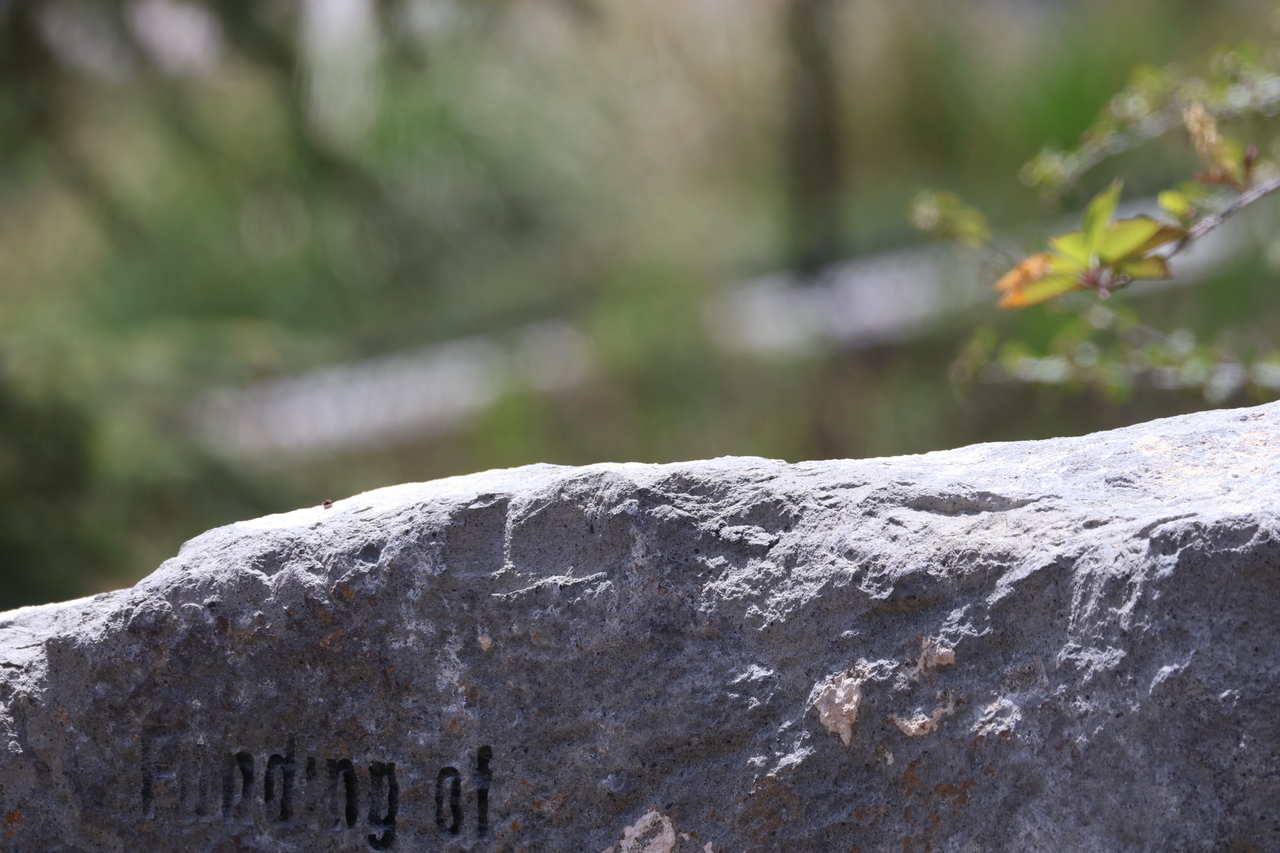
Tonight, On: “Too Late To Look!”
Black bird. White snow.
Stella, do me a favor, will you? Set up a meeting with whoever programmed the R10’s subject tracking so I can slap him.
Bird butts.
Don’t give me that green square, you bastard. You’re a green square.
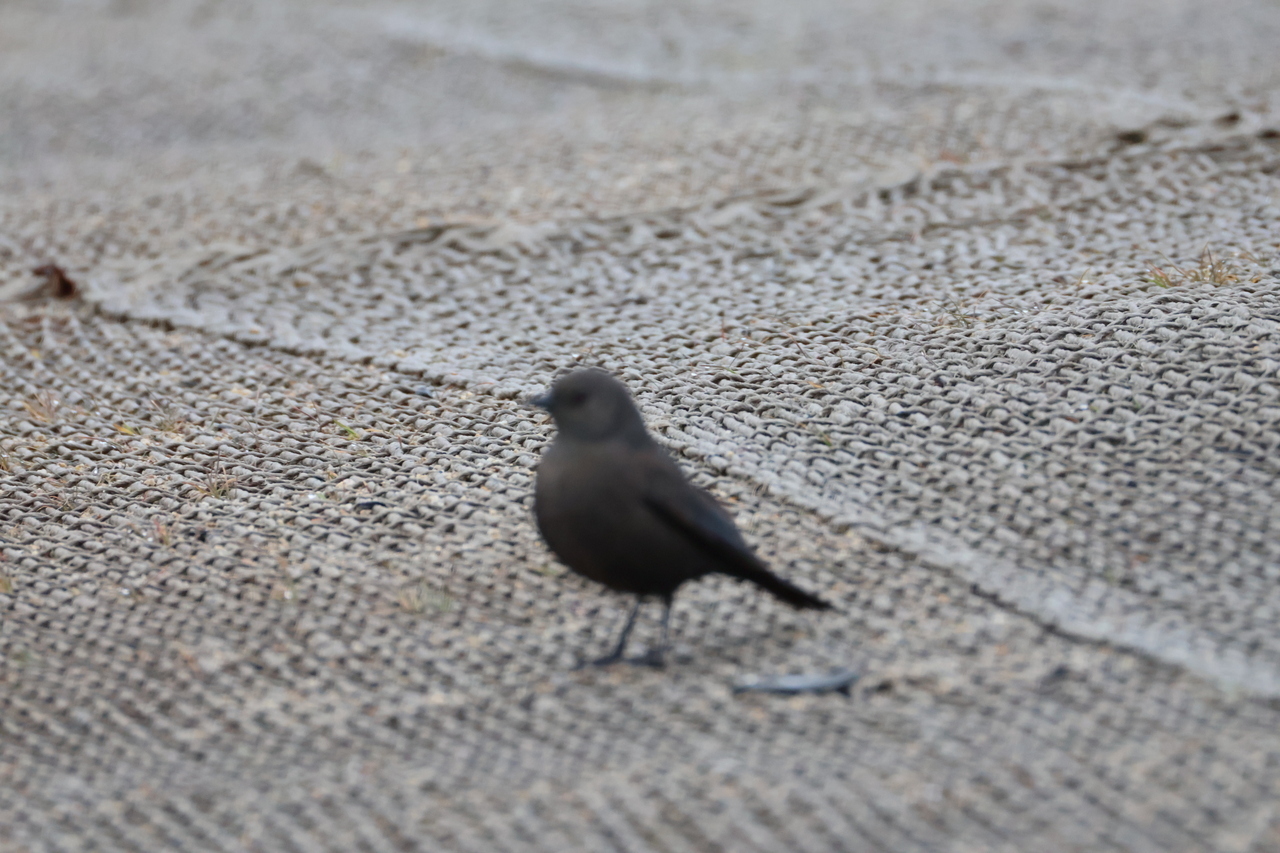
Servo focus tracking, my left pinfeathers.
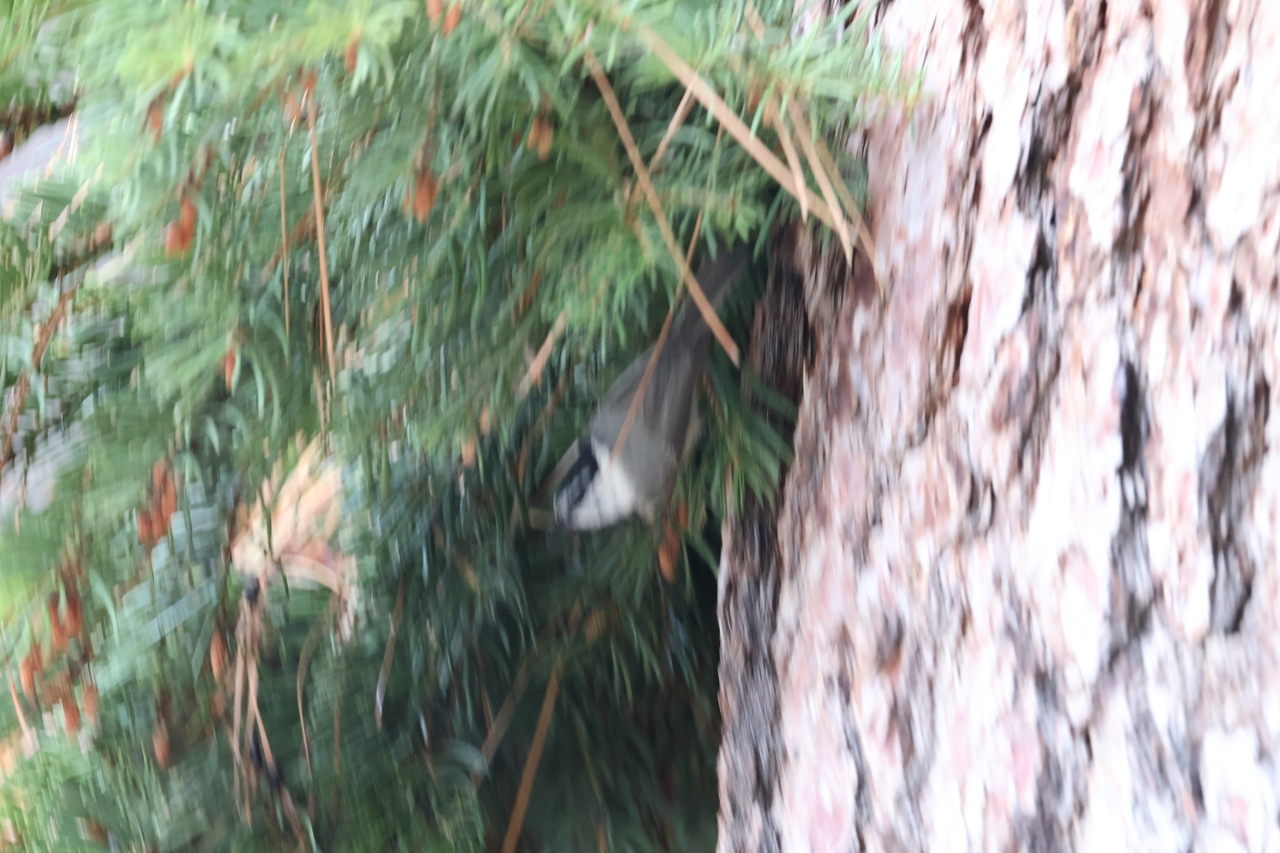
I knew this wasn’t going to work but I was duty bound to try it anyway. This was a 1/50 sec exposure at ISO 3200, in the dark, hand held, and at 475mm.
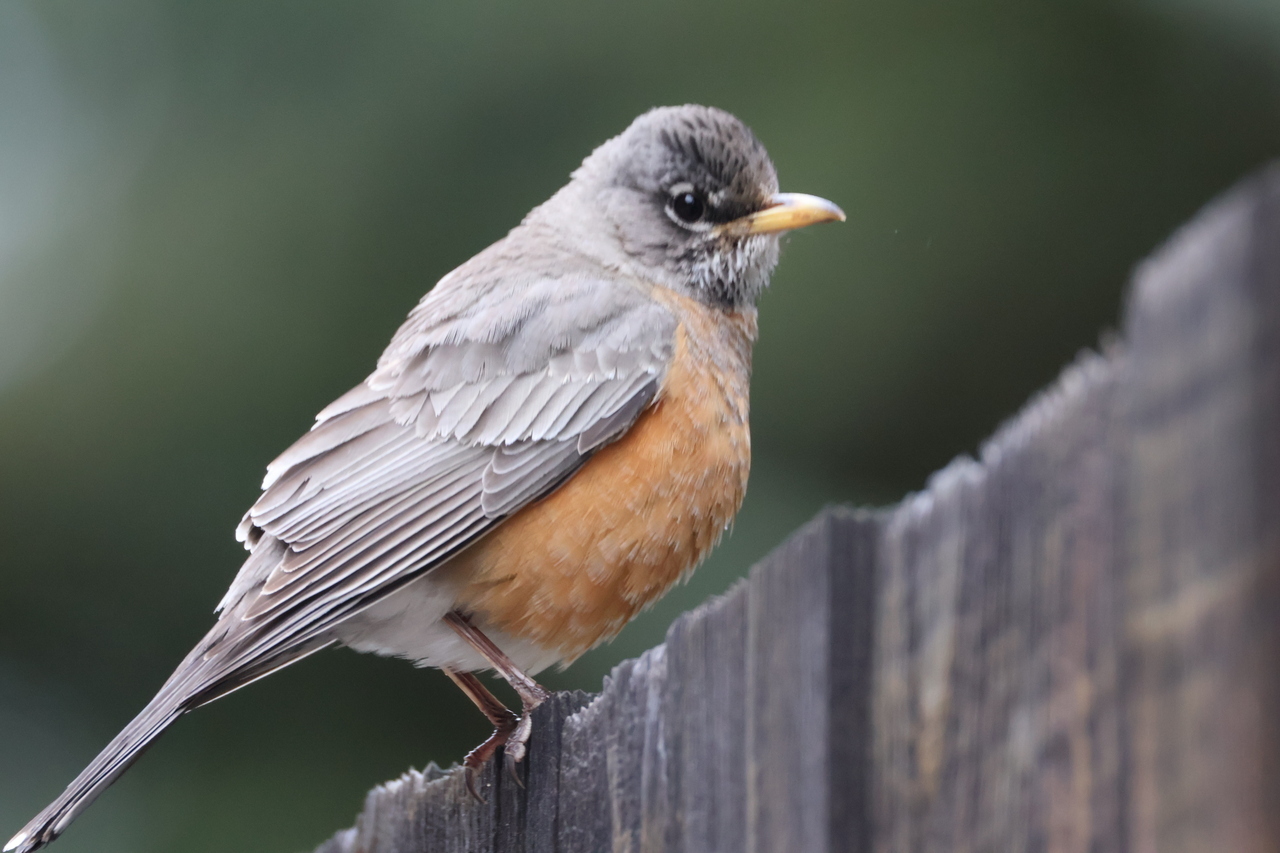
Even in ideal conditions you can find new and innovative ways to screw up. I didn’t get a single decent picture of this damn robin. I took four of them. That ought to do it, right? This was the best.
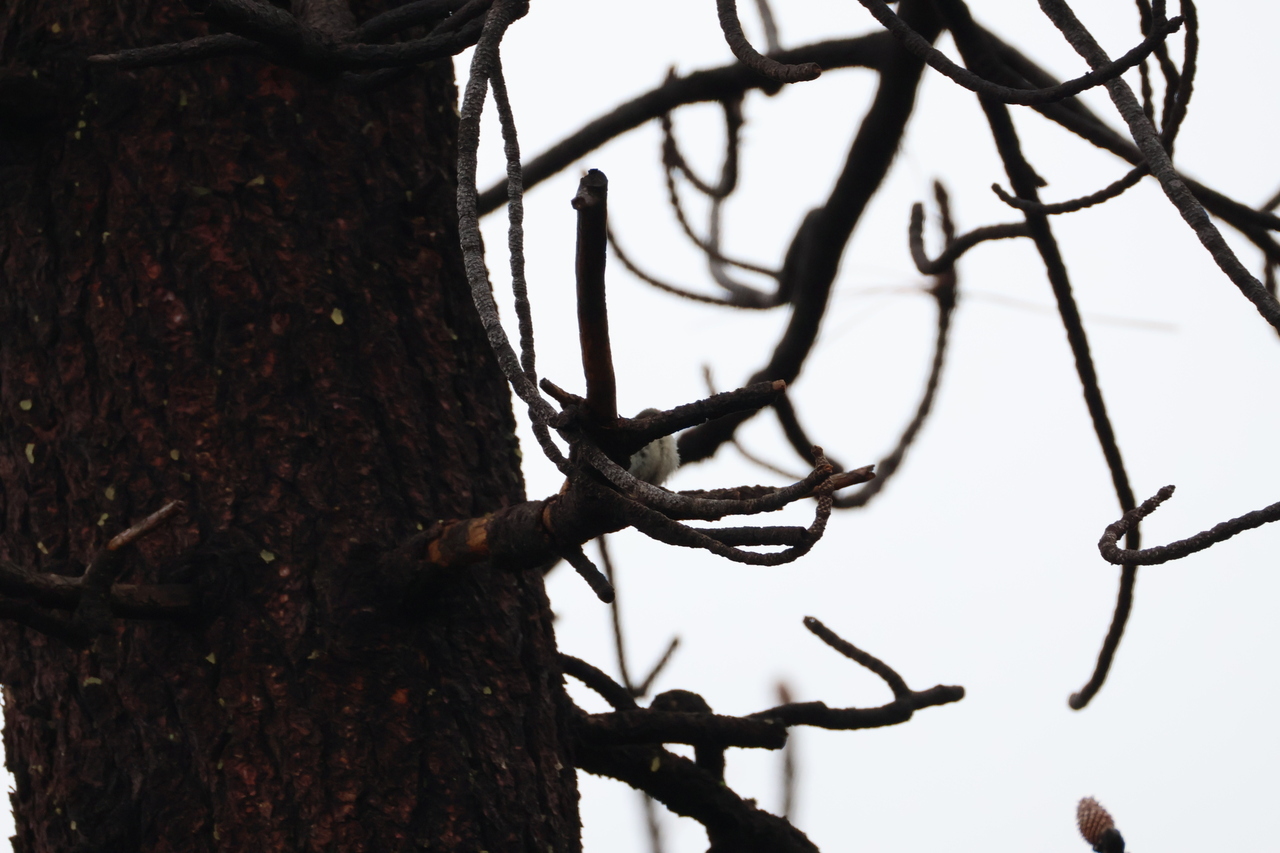
Do you mind?
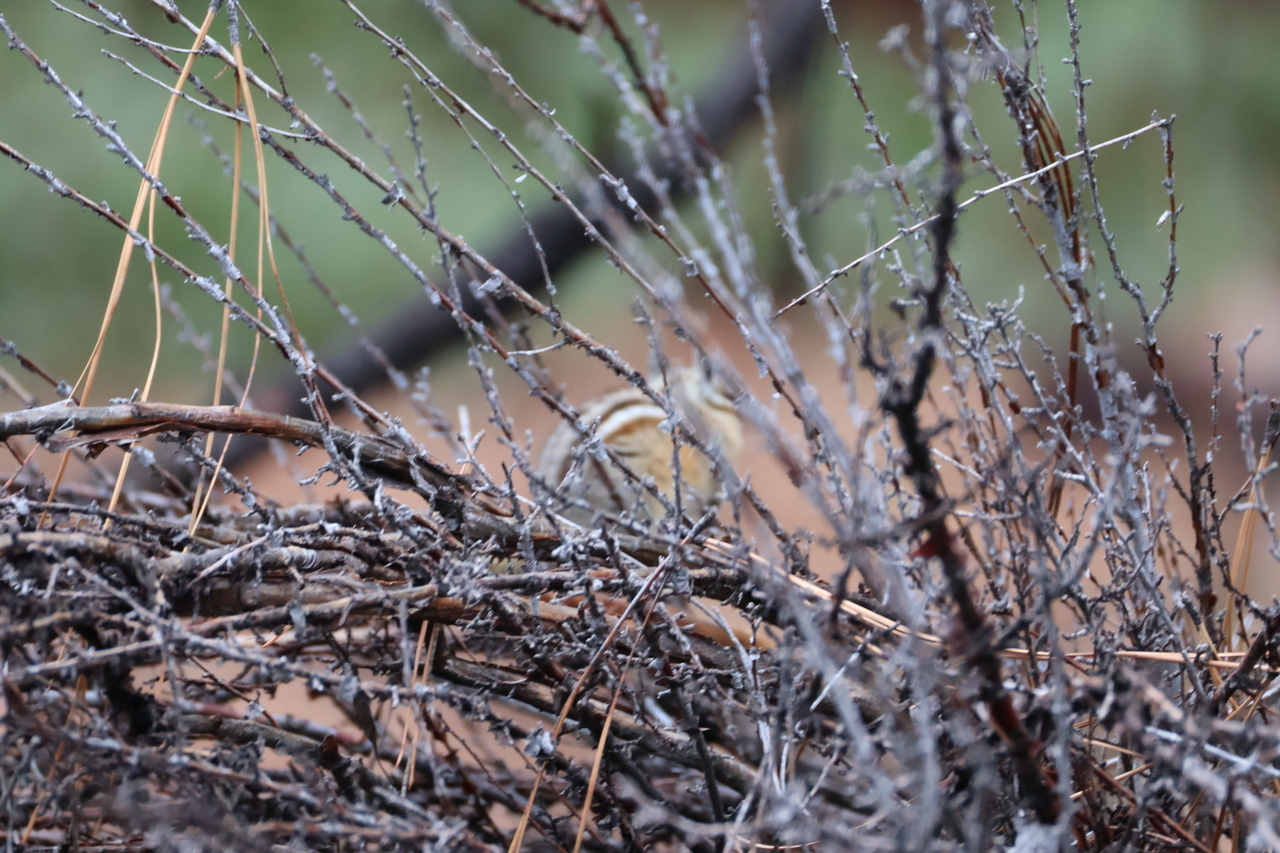
Again with the subject tracking. And they’re telling us pattern learning “AI” is going to take over the world tomorrow? I’m not buying it.
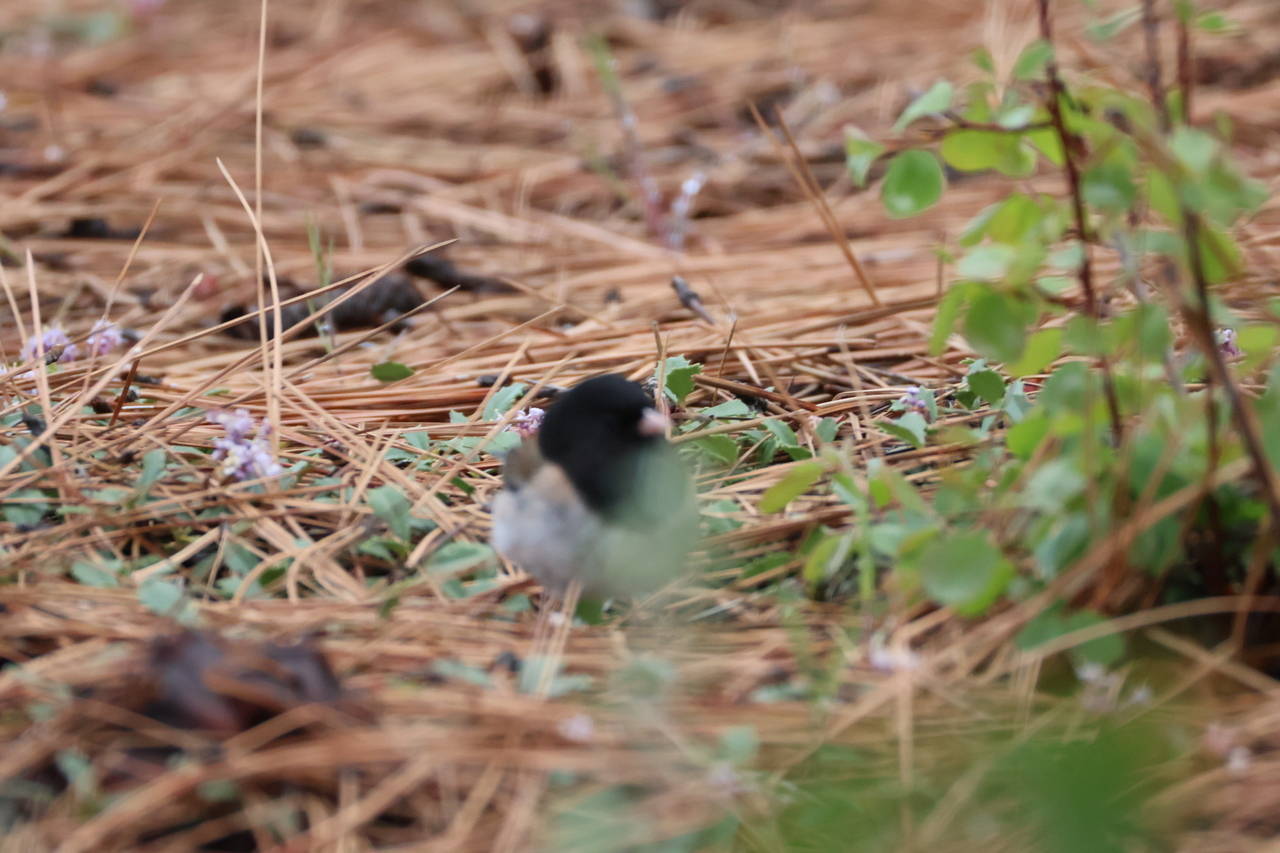
Those are some sure fine pine needles.
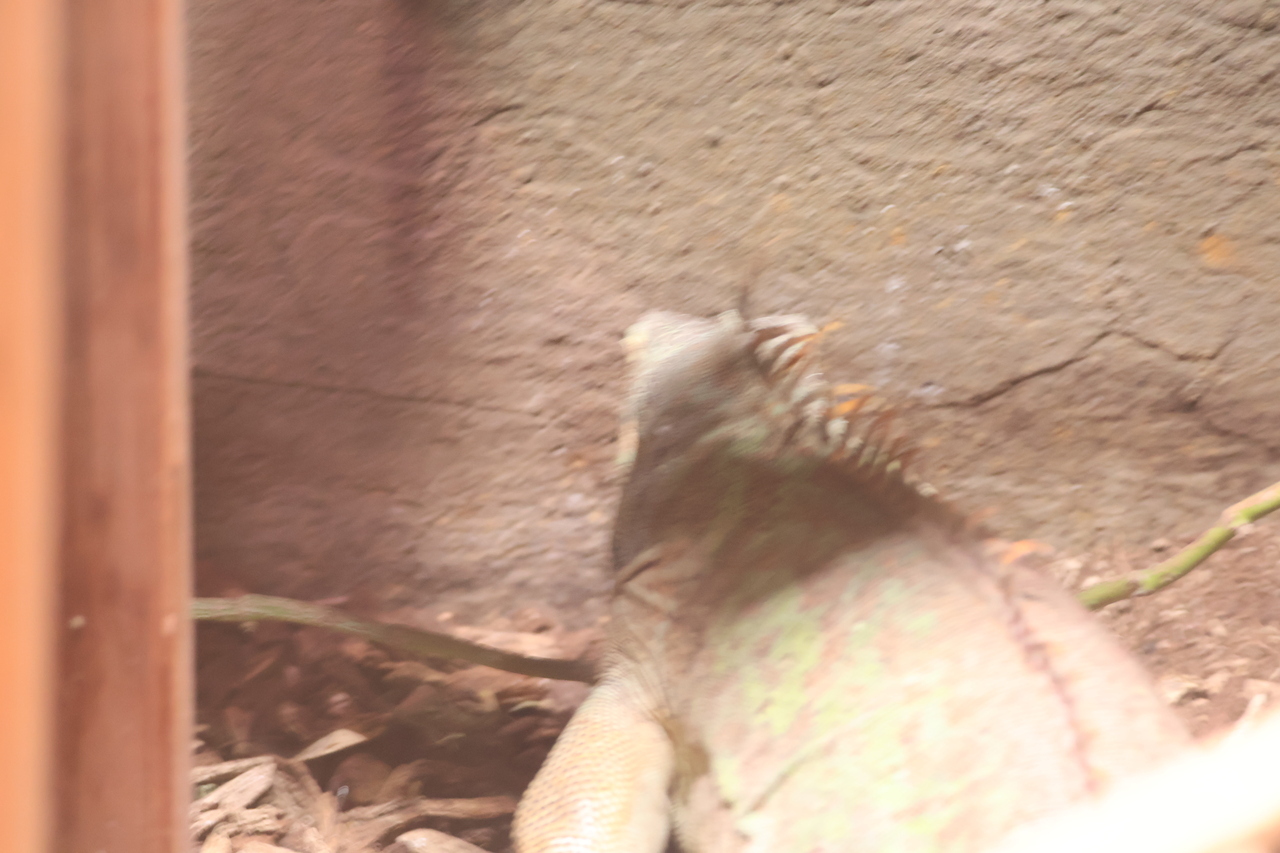
I have no idea what I was thinking with this one. This is a one fifteenth second exposure at ISO 3200. I may as well have gotten out my easel and paints.
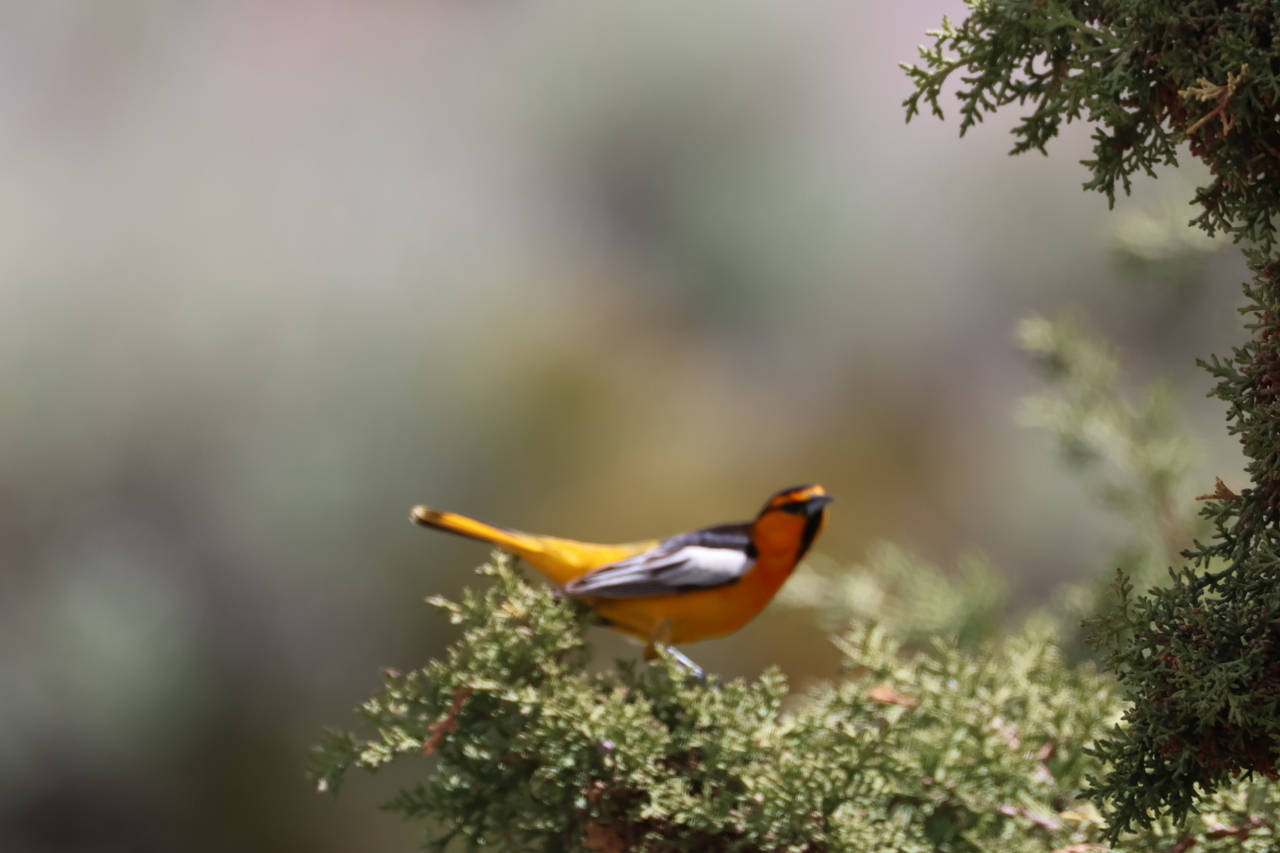
The second photo in this burst was downright iconic. The first one, not so much.
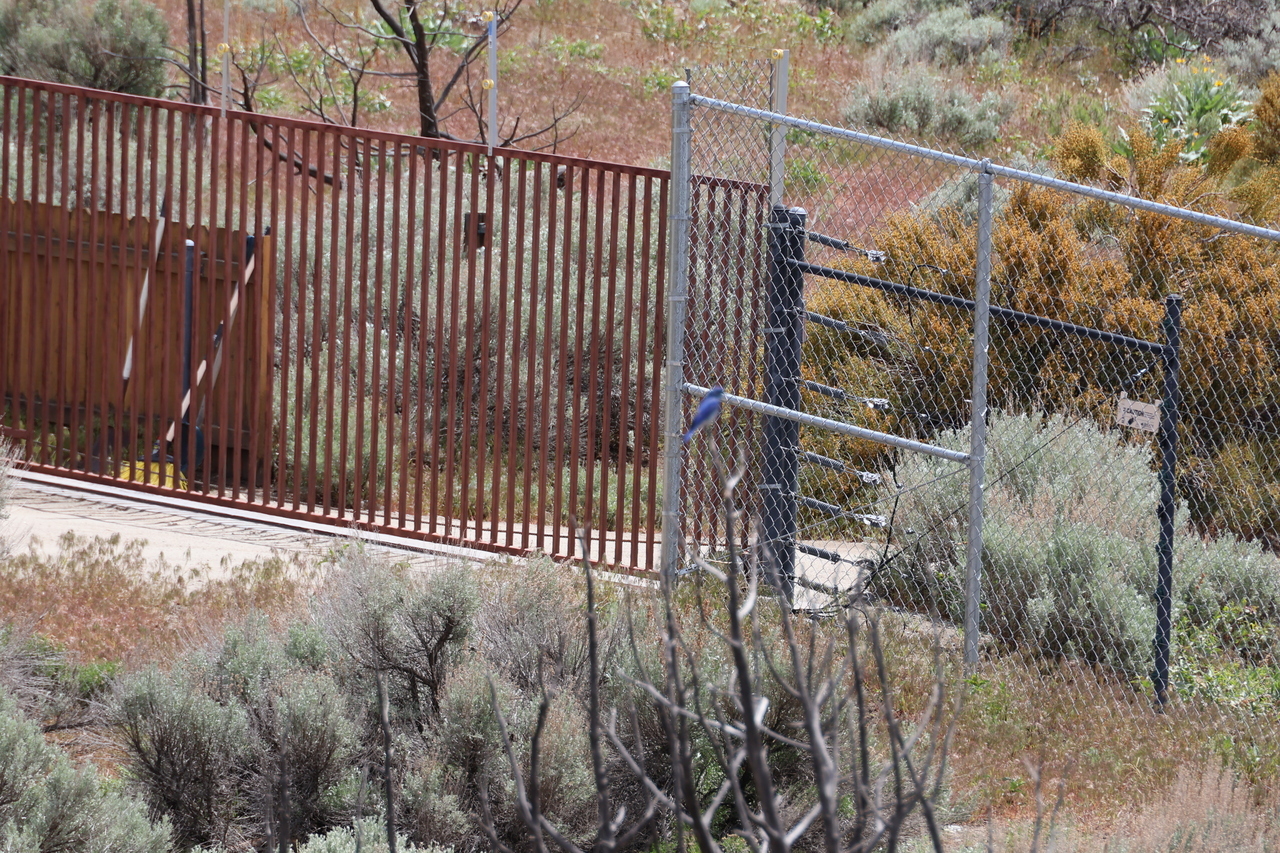
I had exactly one chance to nab this bluebird and I never saw him again for the rest of the day. I’m still salty about it.
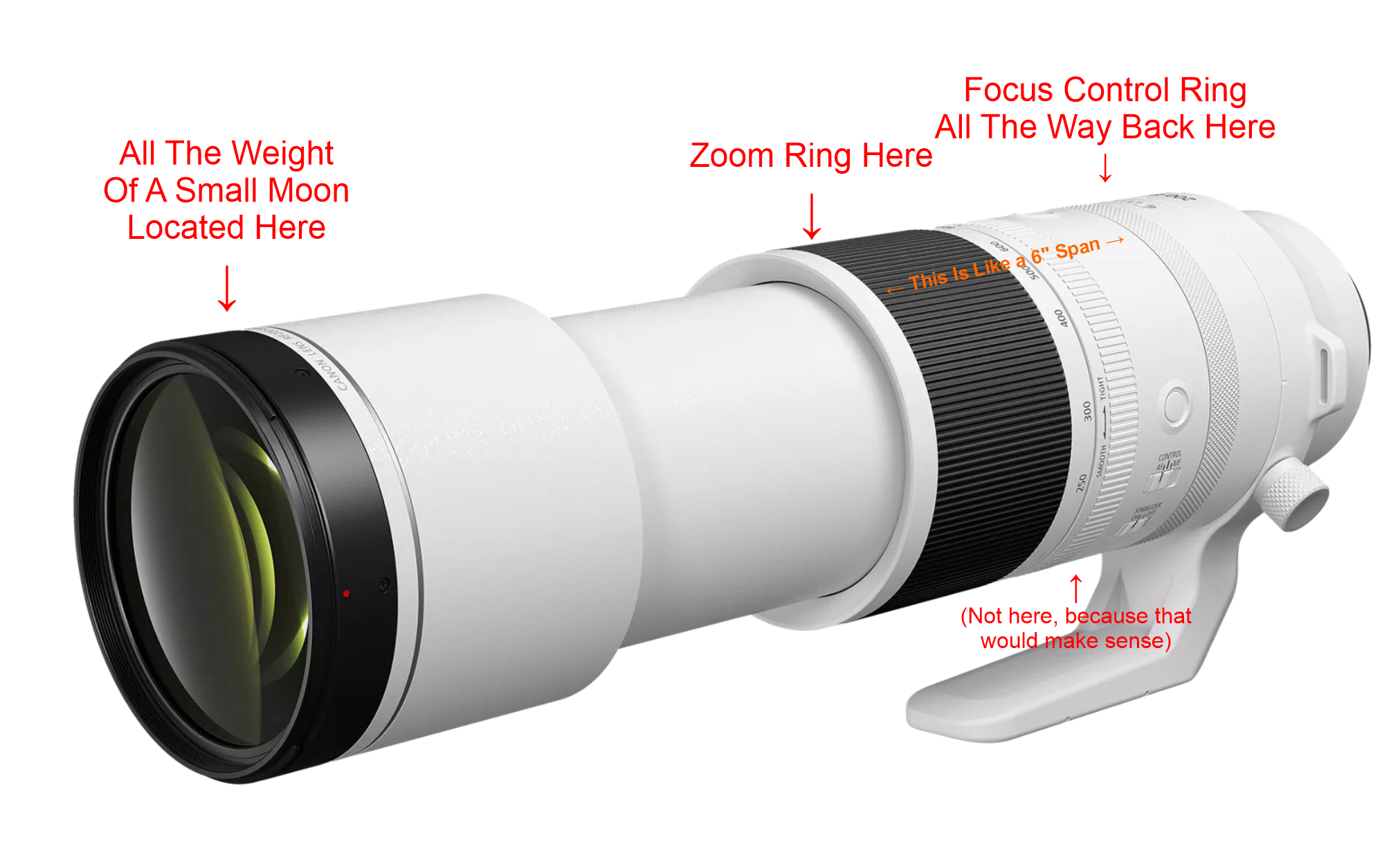
The autofocus would not let go of that fence. “Use manual focus, dummy!” I did. Do you have any idea how far away from the zoom ring the focus ring is on the RF 200-800? It’s like six inches. Do you have any idea why? No, really, I want to know.
Anyway, by the time I found it and cranked it in the right direction and then got the camera back on target afterwards, he was gone.
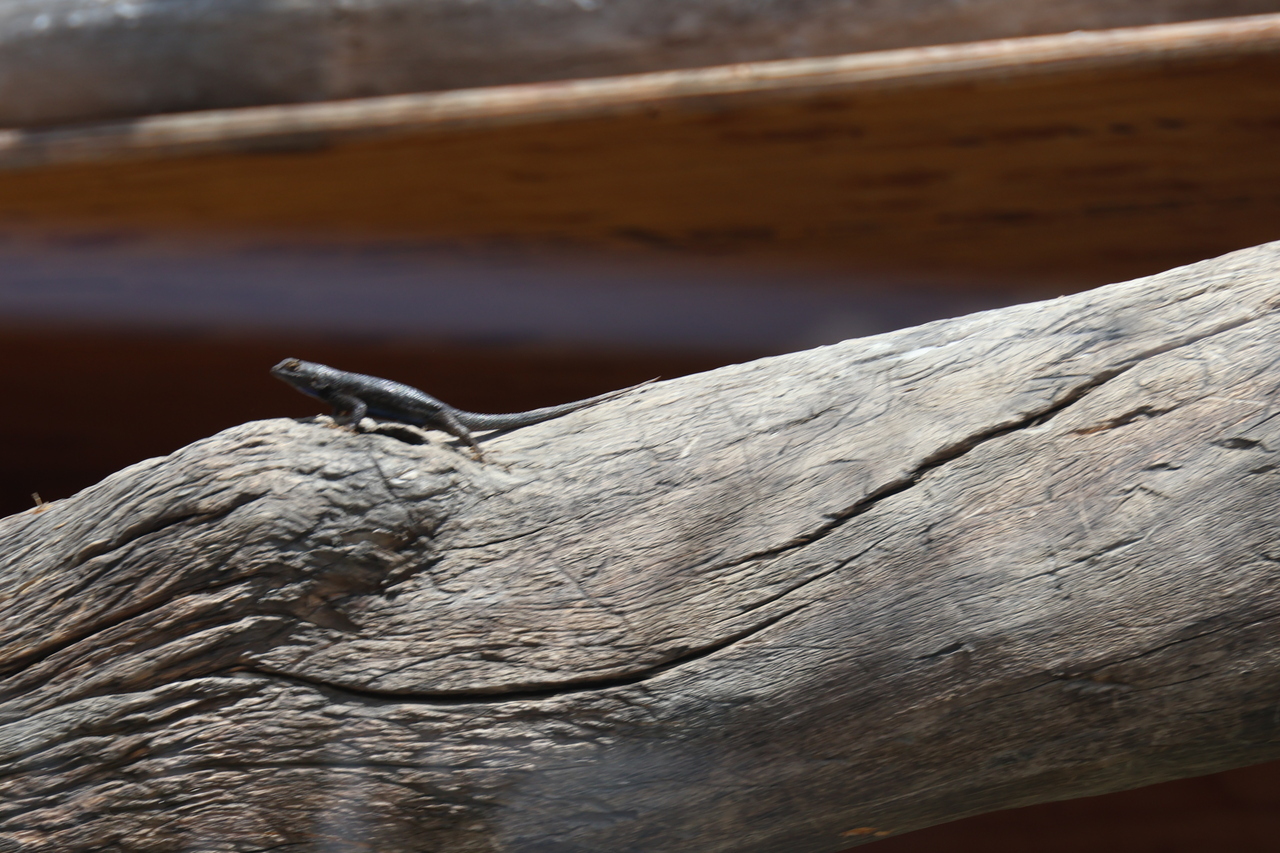
This lizard wasn’t even moving.
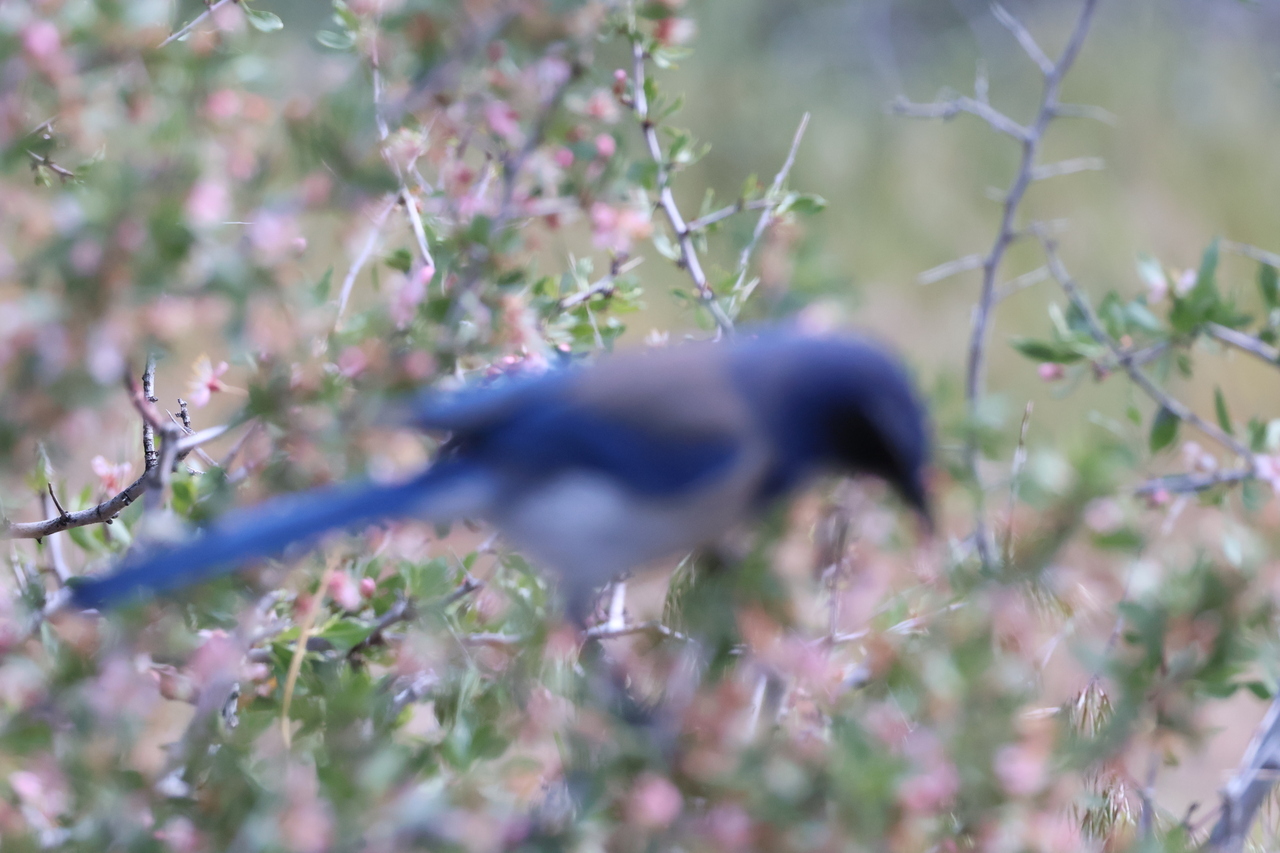
I guess there was something really interesting about that twig at the 9 o’clock position?
I use spot AF on purpose for this sort of thing. Apparently that’s only a suggestion.
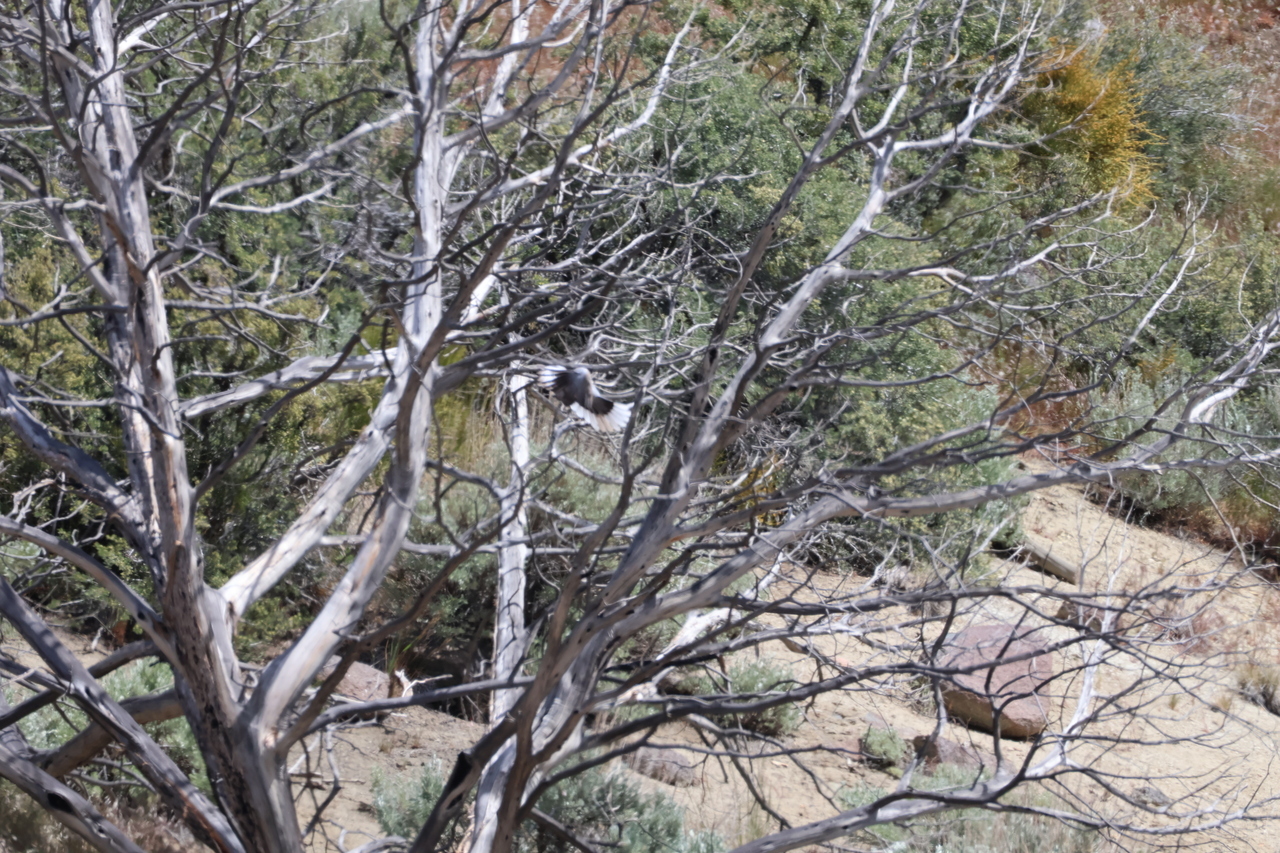
“There’s that magpie again, right over there!” my wife said. Yes, there was. Was.
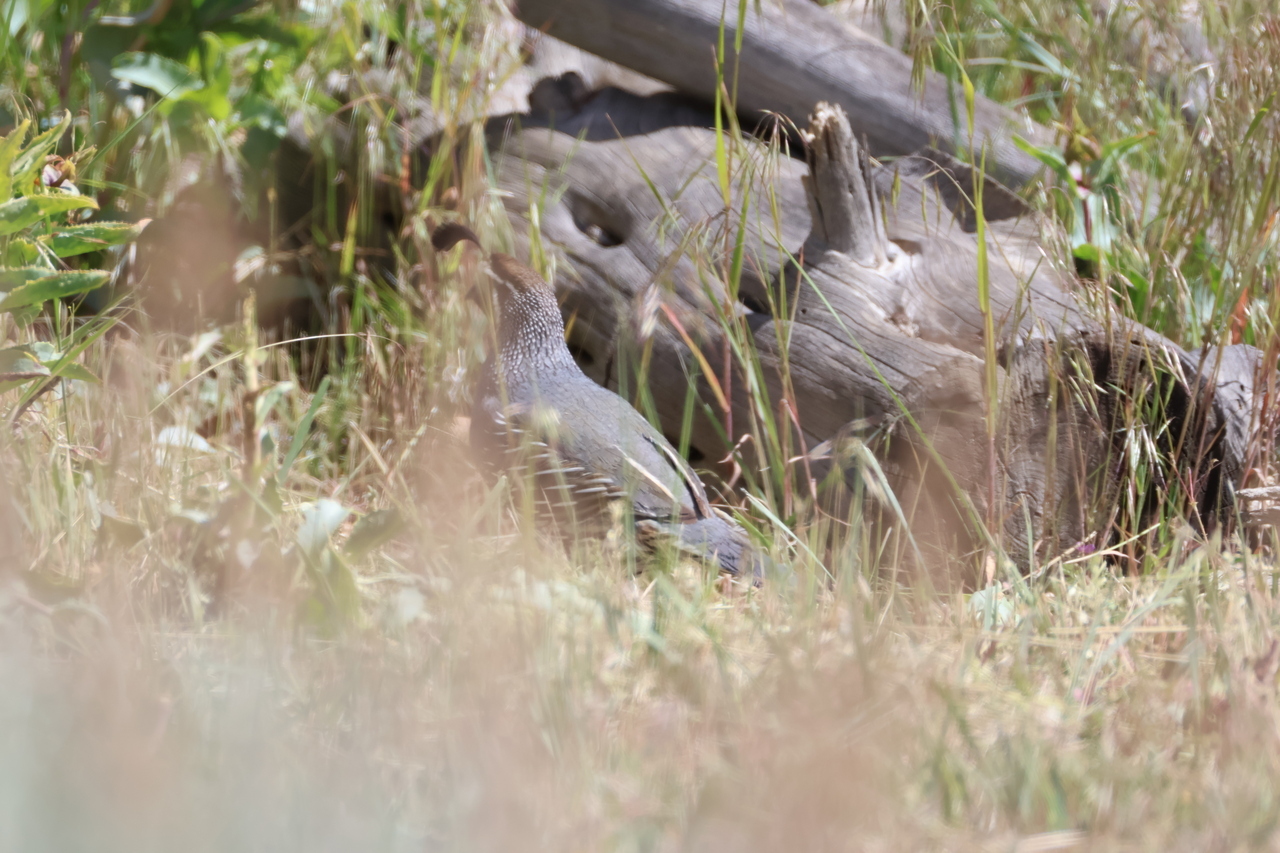
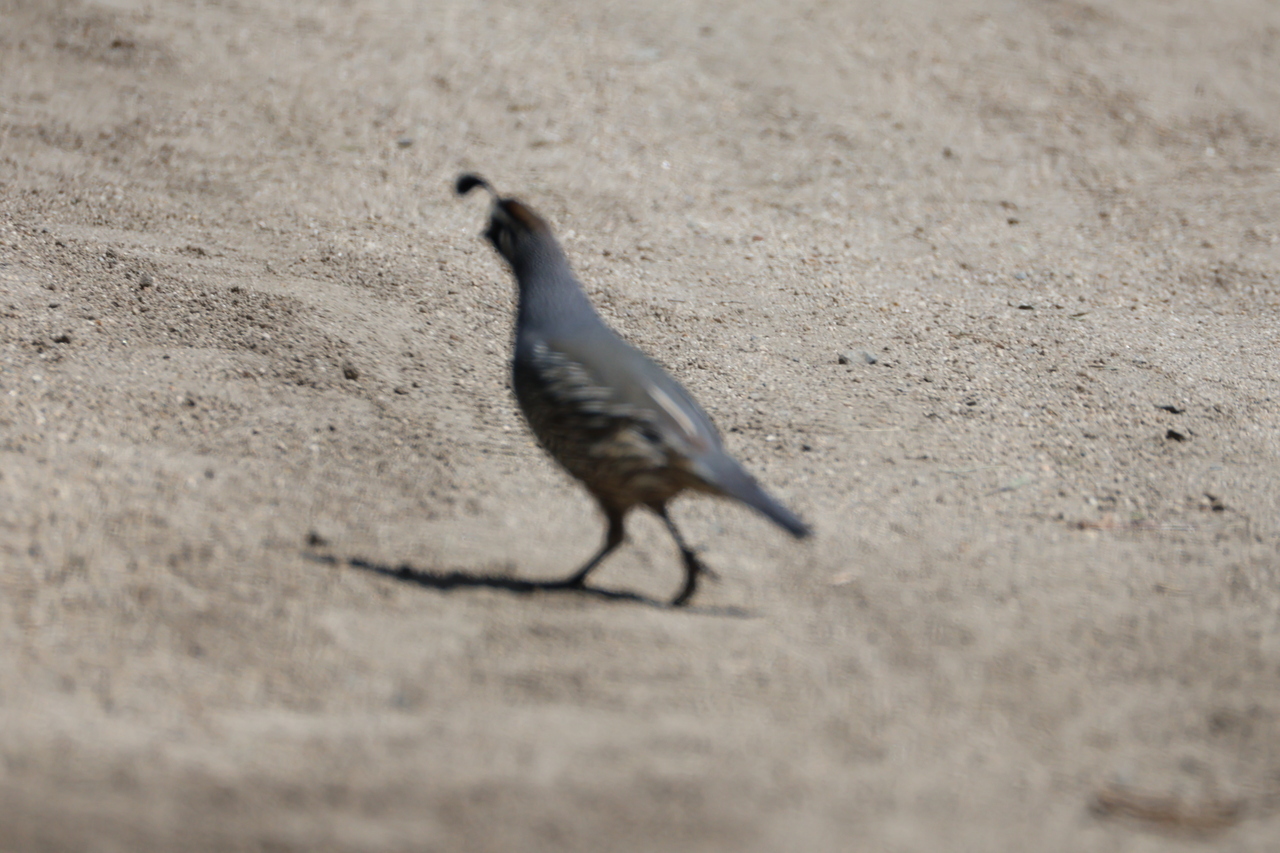
And finally: Hold still, damn you.
Hey, at least shooting digital is free. Never be afraid to embrace your failures… Unless you never learn.
You’ll get 'em next time, sport.
Yay, my life, lived by another.
You almost certainly know these things, but just for others enjoying this album who don’t:
-
On the white out photo at the top - you can recover a lot of the colour of the trees, and lose the mist like effect, using Tone Curves/Luminance Histograms/whatever your software calls it, especially if you start with RAW format. But alas, not always: the sharpness of the result can be rubbish, and strange colours can creep in. Alas in this one, I suspect the bird was never in focus
-
Does your camera have focus modes - tell it to focus at a particular point, or only choose focus based on an limited area, rather than “pick the closest thing in the frame to focus on”. Manual focus and birds has never (?) worked for me - I certainly haven’t even tried it for a long while. Happily, the focus modes are easy to get my fingers to on mine, and I’m forever swapping, if occasionally cursing that I’m in the wrong mode. And then the R5 MkII’s revelation - point/small area focus modes where the camera is given a little leeway to go out of those bounds if it really wants to, but not by very far at all, along with “obey me, that area alone” locked forms.
The R10 definitely does have focus modes. I imagine they’re the same or similar. You have the R5 and the 200-800 as well, right? For birds in particular, I have learned that the “Spot AF” setting is the only one that works anything close to consistently. There are modes that employ focus areas that are larger portions of the frame, but these inevitably result on the camera fixating on some random leaf or twig in the foreground and not the bird.
There is also a “Point AF” setting that is one notch to the left on the dial which purportedly works the same way but provides an even smaller target area. Pundits on the internet have suggested that this is actually the correct setting for birding, presumably to help you poke through foliage and foreground branches. But my problem there is that in my experience leaving it set to Point AF results in it never actually finding focus on anything. I can put it right on a stationary bird’s eyeball and the stupid thing racks all the way through the focus range from zero to infinity and back and won’t settle on anything. So I gave up using it. Updating the firmware to the latest also seemed to accomplish nothing, despite recommendations found online.
Manual focus is an a absolute fool’s errand unless you’re looking at sleepy birds who you know will hold still. If that’s your situation you can get very good results when coupled with the viewfinder magnification (which I have bound to the front button on my camera body). But on my RF 200-800 lens in particular, the location of the focus control ring is also rather unfortunate and nearly impossible to use freehand while keeping the camera on target unless you have a lot of time on your hands to line back up again, especially at long zoom ranges.
I’m sure you already know. For anyone who didn’t drop a double kilobuck on one of these, however:
I’m sure the R5 has subject tracking. The R10 certainly does. I’d be interested to hear if it actually works on the R5 because on mine it sure as hell doesn’t. When in servo focus mode the camera seems to focus hunt constantly regardless of subject tracking or not, and most maddeningly of all it will fidget around with itself and lose focus periodically, oscillating between in and out of focus, in 1-2 second intervals even when the target in the center of the box was already in focus and neither the subject nor the operator are moving. It’s like wielding a cheap camcorder from the late '90s. The subject tracking itself pretends to identify moving wildlife by drawing a little bracketed box around it, but despite this it insists on locking focus on various parts of the foreground or background instead. It basically never produces usable results, even in what to my uninitiated eye appears should be ideal conditions.
Unfortunately it’s basically impossible to determine if a bird-sized object is acceptably within focus or not through the EVF when it’s a long way off, and focus peak highlighting apparently only works when you are in true manual focus mode, with the little toggle on the front of the body or your lens switched, which precludes you from using autofocus at all until you set it back. (You can at least override the autofocus at any time by wrenching on the lens’ control ring, provided you have that ring set up to do focus and not, say, twiddle your aperture. But while we’re at it, why the hell does the 200-800 only have one control ring? Somehow even the 100-400 has two…)
It sounds like the R5 MkII is a bit better behaved than the R10, but I recognise all your complaints from when the “camera is in a bad mood” (i.e. I’m not thinking through what the issue is). I’ve got about 10 modes (ah, could look at the manual, but…), selected via menus from pressing buttons rather than a dial. When using the single point or not very many points, I’m quite often deliberately selecting something at the same distance as the bird, rather than the bird, for the sort of reasons you mention.
If the “I’ve got focus” blue boxes appear around the bird (or even better when it recognises an eye), I know there’s a fair chance of an at least OK shot.
Just checking - you do have the stabilizer switch on, I take it - the beast is a nightmare without.
The bit of the lens I least value is the “loosen or tighten zoom” ring - why on earth doesn’t it have a “lock in place until I twist again” point!
One other suggestion - my lens is much better behaved when the speed is set to allow a decently low ISO to be selected by auto ISO (say, sub 2000). Of course, birds hide in shade or behind leaves so that’s another fools errand. More light helping the photo work - shocking news I know.
I have my permitted auto ISO range set to 100 through 3200. I find that anything above 3200 produces a result that’s grainy enough to annoy me, which is probably a result of my smaller sensor (read: being cheap). I always have stabilization enabled.
I concur on the zoom tightness ring as well. I have no use case for such a thing whatsoever. Even at its tightest it’s not quite enough to keep the lens barrel from getting slowly bounced into its extended position if you have your camera danging from your neck while e.g. hiking, and I would much prefer it to have a lock for the fully retracted position like the smaller Canon zooms do. Possibly suitably upsized, as appropriate. That position would be much more useful as a second actual control ring. Maybe there was some mechanical reason a hypothetical second control ring could not have been added in front of the zoom ring as well, but I’d really doubt it. Perhaps this is what we get for the 200-800 still not being an “L” lens. At least it came with a hood and a strap.
-
Great post!!
(and was that a nuthatch in the OP?)One thing I’d suggest though it to use the title to give some idea of the extensiveness of the post, including photo-count. Nothing ‘scientific’ mind you, but when browsing, it helps to set expectations for the reading audience. Cheers.
I have no idea what the bird in the headline pic was. I assume a mountain chickadee, but I could be wrong.
I’m very much a fan of the spray and pray mentality in wildlife photography. One of them is bound to be in focus, right? This wasn’t at 475mm, but it was at 1/50s @ 286mm (572mm FF). Granted my subject was pretty still too.
Loved the bird butts section!